14.09.2026 / FRIDAY

Cracking the Code: How We Survived “Knock Knock Who’s There”
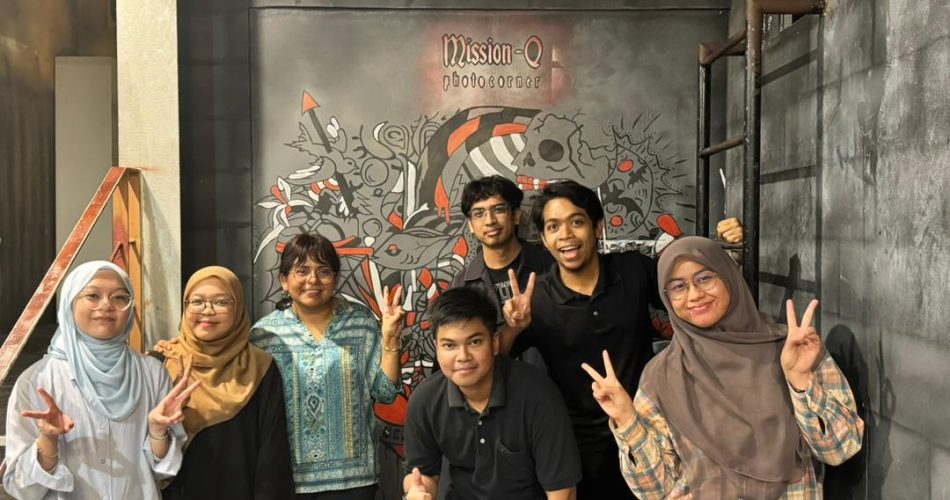
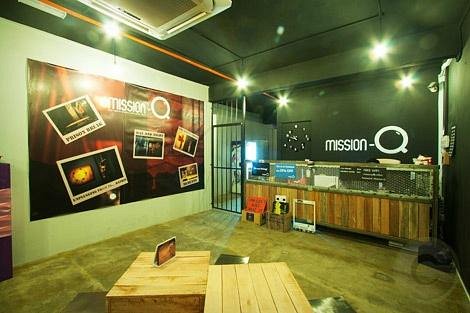
At TCS Automation & Security, we spend our days navigating complex software architecture, integrating systems, and solving intricate technical problems. We are used to challenging ourselves. So, when it came time for our monthly team activity, we wanted a puzzle that would truly test our ability and determination to handle tough situation. We headed over to Mission-Q at Sunway Pyramid and deliberately chose the “Knock Knock Who’s There” escape room because of its intense difficulty level.
Trading our keyboards and monitors for padlocks and cryptic clues, we were ready to see how our workplace synergy would translate to a high-stakes environment.
The Challenge
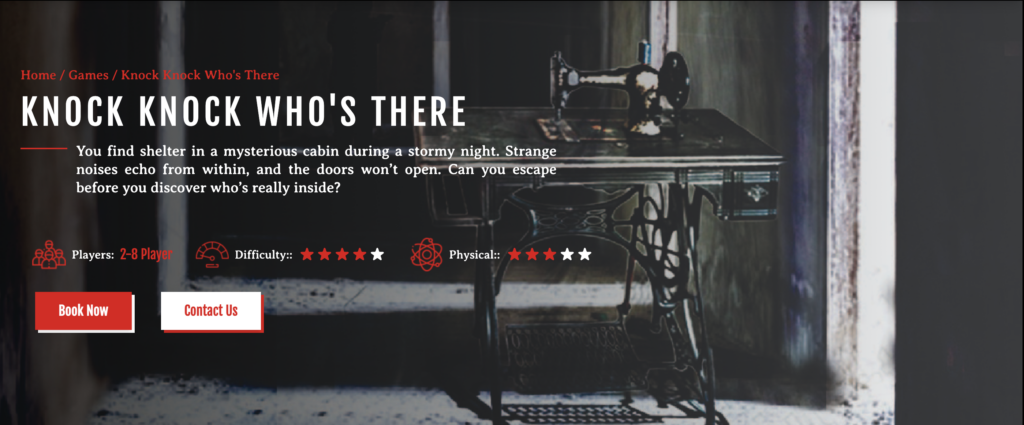
The premise of the room threw us entirely out of our comfort zone. Instead of our familiar office, we found ourselves locked inside an isolated cabin in the middle of a thick, green forest. The setting was incredibly unnerving—a cozy interior contrasted by a sudden chill, the distinct stench of corpses, and the terrifying, relentless sound of knocking on hard wood when no one was at the door.
We had exactly 60 minutes to figure out what happened to the cabin’s missing resident and, more importantly, how to get out.
The Challenge
The premise of the room threw us entirely out of our comfort zone. Instead of our familiar office, we found ourselves locked inside an isolated cabin in the middle of a thick, green forest. The setting was incredibly unnerving—a cozy interior contrasted by a sudden chill, the distinct stench of corpses, and the terrifying, relentless sound of knocking on hard wood when no one was at the door.
We had exactly 60 minutes to figure out what happened to the cabin’s missing resident and, more importantly, how to get out.
Teamwork Under Pressure
The creepy atmosphere meant that communication wasn’t just helpful; it was our only lifeline. What started as initial panic quickly transformed into a masterclass in collaboration. While some of the team braved the eerie corners of the cabin to hunt for hidden compartments, others meticulously pieced together the scattered clues left behind by the mysterious resident. A few of us took a step back to look at the bigger picture, helping the group stay focused despite the loud knocking sounds and ensuring we didn’t waste time on dead ends. Meanwhile, the sharp-eyed members of our squad proved invaluable, spotting subtle hints on a creepy photo frame by the table that the rest of us had completely overlooked.
When a logic puzzle left us stumped, we didn’t waste time pointing fingers; we quickly rotated roles, offered fresh perspectives, and pivoted our strategy. It was a brilliant mirror to how we handle roadblocks in our development and integration projects.
What We Built After the Game
We managed to escape before the clock ran out, but the real victory wasn’t just walking out the door. The experience built something lasting for us as a team. Seeing how each person reacted under a time crunch—and a few jump scares—helped build a much deeper level of trust and understanding of each other’s working styles. The game forced us to adapt, mix up our usual project groups, and lean on different strengths, reminding us that great ideas can come from anyone. More importantly, it taught us the value of celebrating small wins. Every time a padlock clicked open, the collective relief and cheers were contagious, serving as a great reminder to celebrate the incremental progress we make on our long-term projects at work.
Returning to the office, the energy was noticeably different. The inside jokes about the mysterious knocking have become part of our daily banter, and the collaborative spirit has carried over into our latest scrums and project meetings.
We successfully escaped the cabin, but the teamwork, communication, and synergy we unlocked are here to stay. We proved that whether we are navigating a terrifying escape room or delivering seamless automation solutions, the TCS Automation & Security team can handle whatever comes knocking.